
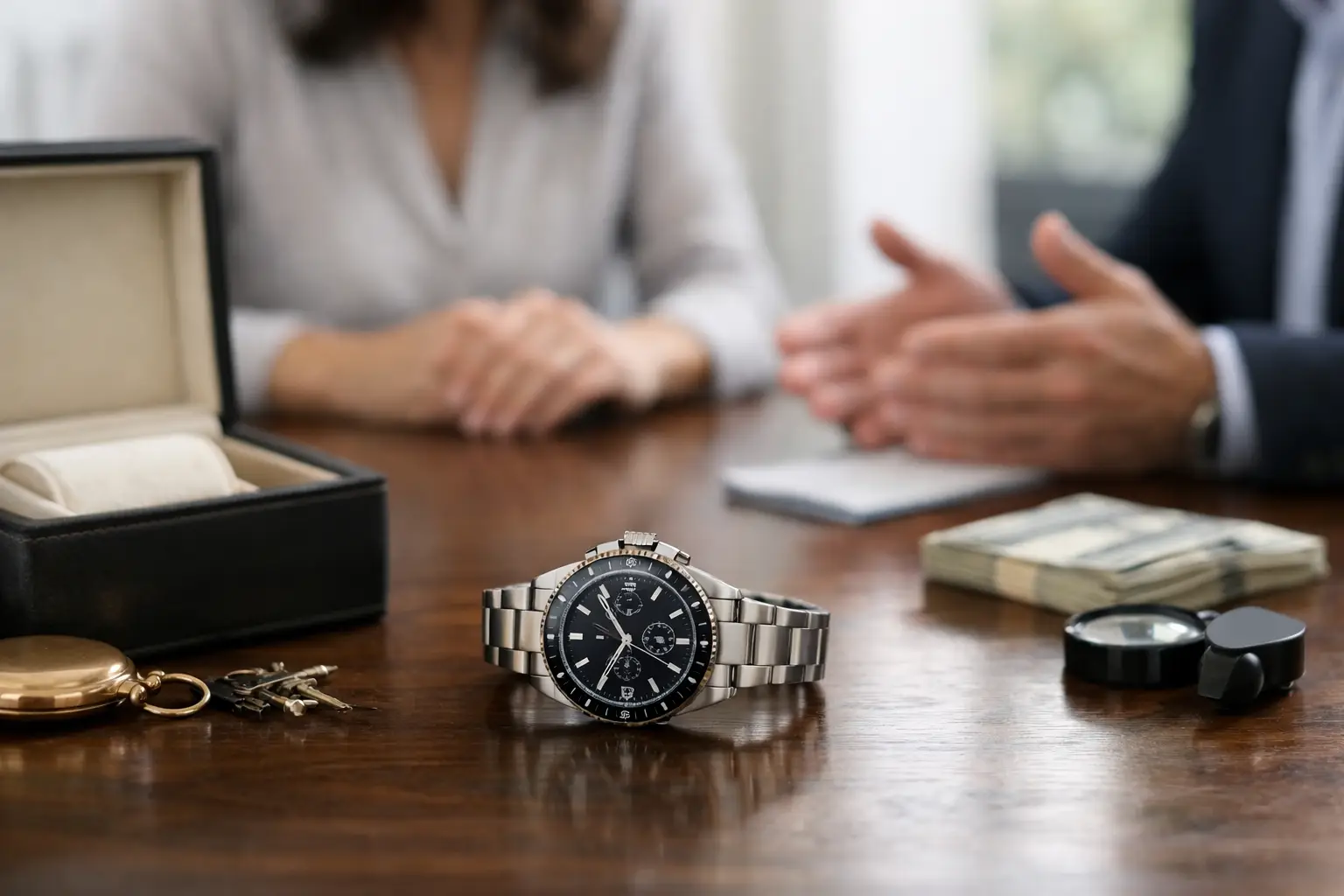
How to Sell an Inherited Luxury Watch Safely
An inherited Rolex, Omega, Tudor or Grand Seiko can be far more than an item of jewellery left in a drawer. It may be a significant asset, a family keepsake, or both. If you decide to sell an inherited luxury watch, the objective is not simply to find a buyer quickly. It is to establish exactly what you have, protect its value and complete the transaction with proper security.
The strongest prices are rarely achieved by treating a watch as a generic second-hand item. Reference, originality, condition, service history and completeness all influence what a knowledgeable buyer will pay. A measured approach also gives you time to decide whether selling is genuinely the right choice.
Start by identifying the watch correctly
The name on the dial is only the beginning. Within a single model family, the reference number, production period, dial configuration, bracelet, bezel and movement can materially change desirability and value. A steel Rolex Submariner, for example, should not be valued solely by its age or broad model name. The precise reference and its original components matter.
Look for the reference and serial number in the expected locations for the brand and era. On many modern watches, these details appear on the warranty card, papers or case documentation. Older watches may require closer inspection of the case, movement or engraving. Avoid opening a watch yourself or allowing an inexperienced party to do so, particularly with vintage pieces.
Take clear photographs in natural, indirect light. Include the dial, case sides, caseback, bracelet or strap, clasp, accessories, warranty card and any visible reference details. These images allow a specialist dealer to make an informed initial assessment without asking you to send a valuable watch speculatively.
Preserve the condition before seeking a valuation
A watch that has been stored for years can be tempting to polish, clean aggressively or send for an immediate service. That is often the wrong first move. Original surfaces, sharp case lines, period-correct bracelets and untouched dials are valued by collectors, especially in vintage Rolex and Omega references. Polishing may remove scratches, but it can also soften case edges and reduce collector appeal.
Do not use abrasive cloths, household cleaning products or ultrasonic cleaners on an unfamiliar watch. If the watch is not running, do not assume it has little value. A stopped movement may need routine attention, while a discontinued or uncommon reference can remain highly desirable regardless of its running condition.
Keep every associated item together: the box, papers, booklets, spare links, service receipts, purchase invoice, hang tags and original strap if it is available. A full set can command a premium, particularly for modern collector references. That said, the absence of papers does not make a genuine watch unsaleable. It simply means authentication, condition and provenance will carry more weight in the valuation.
Understand what drives the value of an inherited watch
Online asking prices are not reliable evidence of what a watch will sell for. They may reflect hopeful sellers, stale listings, incomplete descriptions or watches that have been sitting unsold for months. A credible valuation considers the current market for completed, comparable transactions and the practical costs of preparing, warranting and reselling the piece.
Condition is central, but it is not a simple scale from poor to perfect. On a modern watch, a clean case, tight bracelet, original accessories and recent service documentation can strengthen demand. On a vintage watch, honest wear and original details may be more desirable than an over-restored appearance. Replacement hands, refinished dials, aftermarket parts and incorrect bracelets can all affect the result.
Provenance can be equally useful. It does not need to be a dramatic family story. A dated invoice, documented service history or a clear chain of ownership gives a buyer greater confidence. Where there are no documents, be straightforward about what is known and unknown. Accurate disclosure supports a fair offer and avoids problems later.
Choosing how to sell an inherited luxury watch
There are several routes available, and the best one depends on the watch, your experience and how much responsibility you are prepared to take on.
A private sale may appear to offer the highest return because there is no dealer margin. In practice, it requires you to manage authentication questions, photographs, price negotiation, payment risk, postage or collection, and potential disputes. For a valuable watch, meeting an unknown buyer or posting an item after an uncertain payment can introduce unnecessary exposure.
Auction can suit unusual, historically significant or highly collectible pieces when there is clear demand and the watch merits broad competitive bidding. However, auction fees, seller commissions, reserve decisions and timing need to be considered. The final hammer price is not necessarily the amount you receive, and a result below expectations can be difficult to reverse.
A specialist dealer offers a more direct route. The offer will reflect the dealer's need to inspect, authenticate, prepare and stand behind the watch, but this is balanced by a controlled transaction, established market knowledge and access to active collectors. For many inherited watches, particularly those with a meaningful value but no need for public auction exposure, this is the most practical option.
Hora Watches works with private sellers who require a discreet, transparent sale process for carefully selected luxury timepieces. A specialist assessment should explain the basis of an offer rather than relying on vague statements about market demand.
Ask the right questions before you proceed
A professional buyer should be willing to discuss the watch clearly, including the information needed for an initial valuation and what will happen once the watch is inspected. It is reasonable to ask whether the buyer is established, how authenticity is assessed, how payment is made and whether collection or delivery is fully insured.
If you are sending the watch, clarify the process before it leaves your possession. Confirm the shipping method, insurance arrangements, packaging guidance, tracking and the point at which responsibility transfers. Never rely on an informal instruction to post a valuable item without suitable cover.
Be cautious of offers that are unusually high before inspection, pressure to act immediately or requests to use unconventional payment methods. A serious buyer understands that a proper offer may depend on confirming the reference, condition, originality and completeness in person. That degree of care protects both sides.
Prepare the watch and documents for handover
Once you have selected a buyer, present the watch exactly as it is. Do not substitute parts, remove links or separate documentation at the last moment. If you know of any faults, previous repairs, replacement components or periods when the watch has not run, disclose them before finalising the sale.
It is sensible to retain photographs of the watch, its serial number where appropriate, all accessories and the condition at handover. Keep a record of communications, the agreed price and payment confirmation. If you are dealing with an estate, make sure you have authority to sell before proceeding. Executors may need to retain a record for the estate accounts, while beneficiaries should be clear on ownership before any transaction takes place.
For particularly valuable pieces, a written valuation may also be useful before sale. This can help executors establish a defensible estate value, even where the eventual selling price changes with the market or after detailed inspection.
Give yourself permission to pause
An inherited watch can carry personal meaning that is not reflected in its market value. Before completing a sale, consider whether anyone in the family wishes to keep it, whether it has a story worth recording, or whether a photograph and note of its history should be retained. These small decisions are easier to make before the watch changes hands.
When selling is the right outcome, patience and accurate information are your safeguards. A well-presented, honestly described watch placed with a credible specialist is more likely to achieve a fair result and leave you confident that a significant object has been handled properly.


Comments